
mamga community and school garden grants
NOW OPEN
The Madison Area Master Gardeners Association (MAMGA) offers Community and School Garden Grants in amounts up to $750 to support garden-based education, food access and community wellness projects in Madison and the Dane County, Wisconsin area.
This page provides information on grant eligibility, funded project types, and how to apply for a MAMGA garden grant.
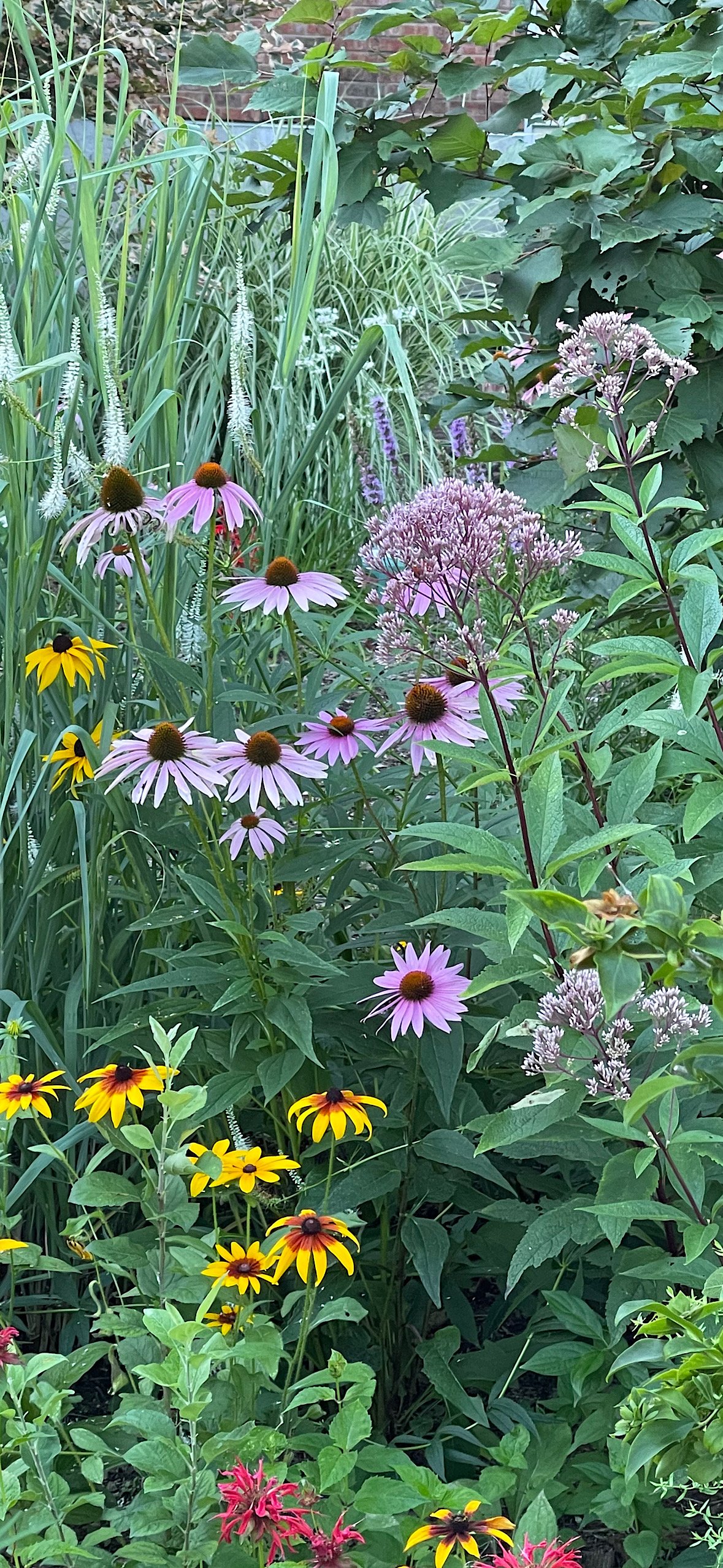
Native pollinators
What are MAMGA COmmunity Grants?
MAMGA Community Grants provide funding for gardening projects led by:
School PTOs
Public or nonprofit community gardens
Other nonprofit or community based organizations
Projects typically focus on things such as hands-on learning, environmental education, food growing and pollinator habitat. Examples of previously funded projects are listed below and can give you an idea of the variety of things we fund.
Who This Guide Is For
This guide is for organizations in the Madison area that are considering applying for a MAMGA Community Grant and want to strengthen their project idea before applying. It is especially helpful for groups that are:
Early in their planning process
Developing a clear project vision
Creating a realistic budget
Building community partnerships
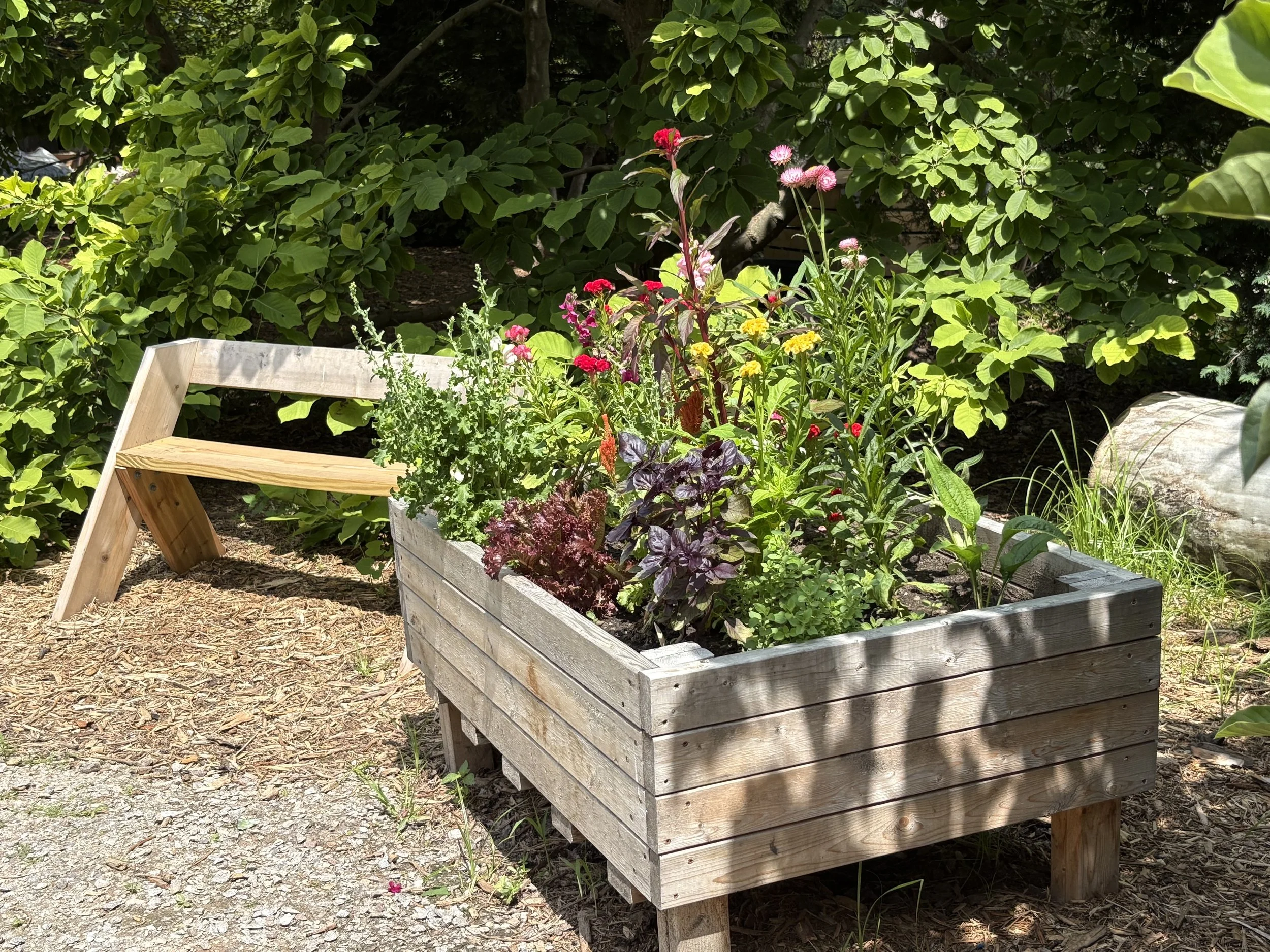
Olbrich Children’s Garden - 2026 MAMGA Grantee
Thinking about applying?
Successful community garden and school garden projects usually have:
A clear purpose such as garden-based education, food access and community wellness projects
Shared leadership and community involvement
This guide will help you think through these elements so your project is ready when the grant cycle opens.
How to Prepare a Strong Garden Grant Application (Tips & FAQs)
-
MAMGA grants are:
Support for garden projects and materials
Includes funding for one-time improvements, infrastructure, or supplies such as signage, garden structures, soil amendments, mulch, or compost.Designed to strengthen locally led initiatives
MAMGA grants are not:
A source of long-term labor
A substitute for project leadership
-
Projects are most successful when responsibility is shared.
Before applying, ask:
Who will maintain the funded project after the grant period?
Who else is contributing time, materials, or expertise?
If one volunteer is essential to the project, who will fill in if that individual is unable to help?
Examples of coalition resources:
PTO volunteers
Community members
Partner nonprofits
Municipal or school support
In-kind donations (soil, plants, tools)
If your project depends on one person, it may need more planning before applying.
-
Your MAMGA sponsor is an advisor, not a project lead.
A sponsor can help you:
Refine your project scope
Select appropriate plants and practices as needed
Assist in reviewing the worksheet draft of your application
A sponsor should not be expected to:
Coordinate volunteers
Perform ongoing labor
Manage or maintain the project
Understanding this early helps set everyone up for success.
All applicants must have a MAMGA sponsor. If you need help finding a sponsor, email grants@mamgawi.org. For convenience, there are separate applications for the applicant and the sponsor. An application is considered complete only when both forms have been submitted.
-
Successful applications:
Are realistic in scope
Match budget to activities
Clearly explain how funds will be used
Align with MAMGA’s mission of cultivating a “greener, healthier, more resilient environment through education, volunteerism, community support and partnerships”.
If something feels complicated to explain, it may be worth simplifying the project.
-
To make this process easier, MAMGA provides a Word/PDF planning worksheet that walks you through the application questions step by step.
The worksheet allows you to:
Draft your responses in one place
Get feedback from your MAMGA sponsor
Refine your answers before submitting
Copy and paste directly into the online application
Final Thought
MAMGA Community Grants are most successful when they support strong ideas that are already grounded in community capacity. Taking time to plan, build partnerships with other people or organizations, and using the worksheet increase the likelihood of funding and long-term impact.
Applications will be accepted online only.
mamga planning worksheet
To assist with preparation, we are providing a Word/PDF worksheet for applicants to use when discussing their project with their required MAMGA sponsor. The Word document includes space to draft responses that can then be copied and pasted into the online Google application form.
Applications
The links below will take you to the Google application forms.
2026MAMGA Community Grant Recipients
Total awards $3000
Bock Children's and Food Pantry Gardens, Middleton, will work alongside the Middleton summer recreation program. They aim to host garden education activities for children, create new infrastructure and grow veggies for a local food pantry.
Lacy Food Pantry Garden, Fitchburg, will install a new irrigation system in order to reduce water costs and to improve conservation.
Schenk Elementary School will work on infrastructure renewal and will also grow veggies for a fall 2026 garden education program.
Moorland Community Garden grant will help furnish gardeners with straw for mulch. Moorland CG will educate members about the benefits of straw for weed control and water conservation.
Old Sauk Community Garden will partner with the Dane County Food Scrap program to collect food preparation waste for composting.
Allis Heritage Community Garden will be able to install a weatherproof communication board to improve communication with and gardening education for AHCG neighbors and gardeners.
Many thanks to MAMGA members Nancy Kieraldo, Katelyn Geleynse, Brenda Rylander, Mary Massey and Mary Lenart-Kirchoff and Mary Knapp for volunteering as sponsors.

2024 Grant Winner - Orchard Ridge School
Revitalized garden beds then painted in colors of the rainbow.
2025 MAMGA COMMUNITY Grant Recipients
Total awards $4,500
Allied Community Learning Garden. Awarded $500.
Goal: Plant vegetable garden and hold educational events for Allied Drive community. Master gardener, Mary Collet.
Milele Chikasa Anana Elementary School. Awarded $500. Goal: Replace deteriorated wooden raised beds with stock tanks. Master gardener, Anna Biermeier.
Forward Gardens. Awarded $500. Goal: Purchase cover crop seeds and deliver compost to community gardens. Master gardener, Mike Kepler.
Marquette Elementary School. Awarded $500. Goal: Plant unused green space with vegetable garden, perennials, trees, and shrubs. Master gardener, Abbey Sabatino.
Nuestro Mundo/Frank Allis School Garden. Awarded $500. Goal: Purchase tools and materials for school garden; orchard ladder, planting medium, fertilizer, seed potatoes, and flower seeds. Master gardener, Mary Knapp.
Olbrich Botanical Society. Awarded $500. Goal: Woods of wonder: place-based learning & discovery in nature. Contribute to development of interactive outdoor space for children and families. Purchase materials for raised garden beds, plants, and native plant materials. Master gardener, Barbara Park.
Swan Creek Community Garden. Awarded $500. Goal: Develop inviting space for pollinator garden at community garden entrance. Purchase wheelbarrow, metal bench, and shovels. Master gardener, Callie Vasey.
Wisconsin Eye Bank Memorial Garden. Awarded $500. Goal: Develop donor recognition garden using native plants. Master gardener, Randy Harrison.
Wisconsin Heights Community Garden. Awarded $500. Goal: Replace one standard 20’x20’ plot with four accessible raised beds located in close proximity to shed, shelter, and sink. Master gardener, Terri Patwell.

2024 Grant Winner - Walnut Grove Greenway
Raingardens.